🥬 Parmesan Cheese
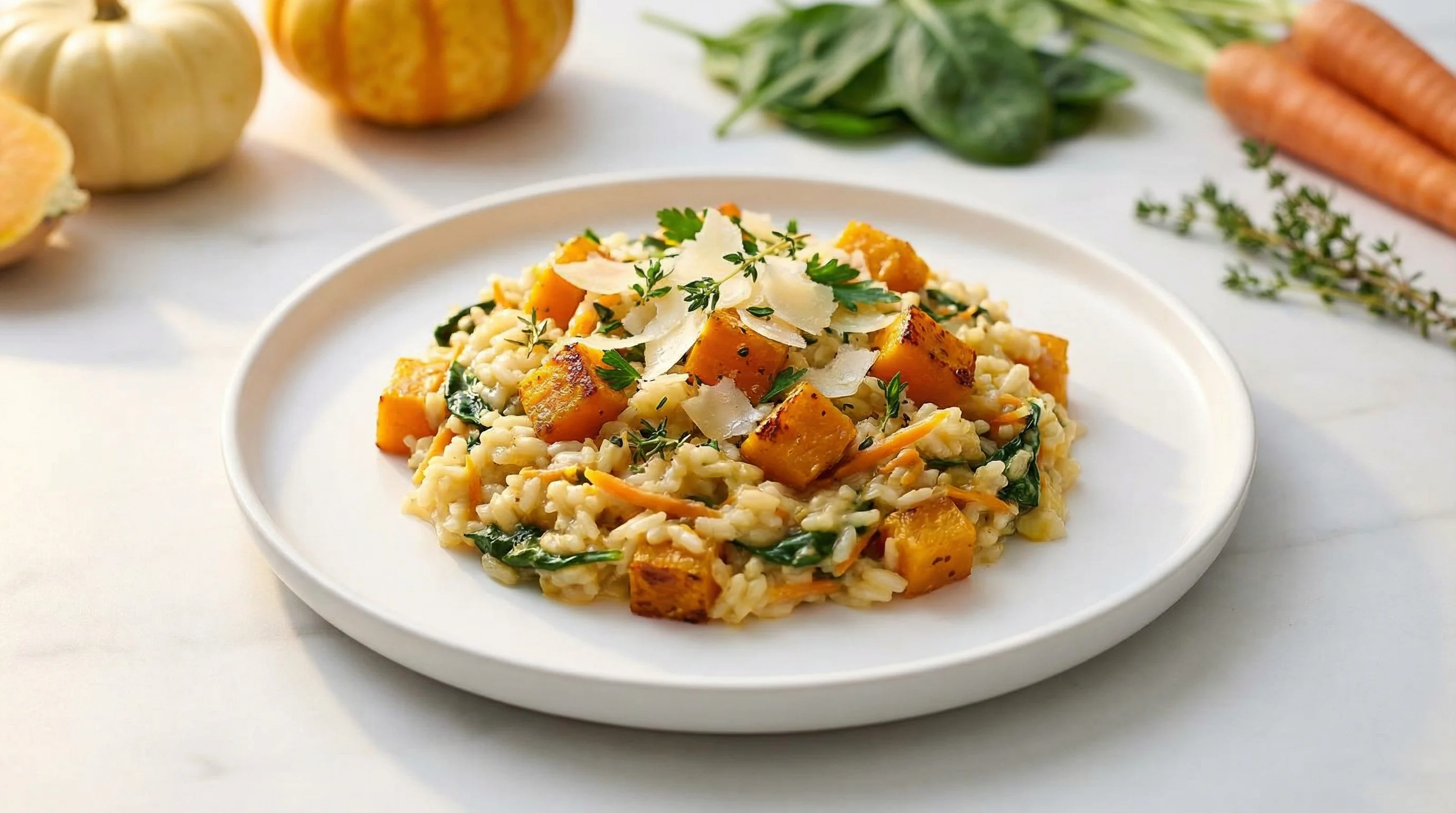
Parmesan cheese, particularly authentic Parmigiano-Reggiano, is a hard, aged Italian cheese that's naturally low in lactose and considered safe for most people following a Low FODMAP diet. During the aging process, which typically lasts 12-36 months, the lactose in the milk is converted into lactic acid by bacteria, leaving minimal lactose in the final product. This makes parmesan an excellent choice for adding rich, umami flavor to Low FODMAP meals without triggering digestive symptoms. Authentic Parmigiano-Reggiano from Italy undergoes strict production standards and extended aging, resulting in virtually lactose-free cheese. Even standard parmesan varieties aged for at least 12 months contain negligible amounts of lactose. The hard, crystalline texture and intense savory flavor mean a little goes a long way, making it both economical and gut-friendly. Nutritionally, parmesan is a powerhouse. It's exceptionally high in protein, providing about 10 grams per ounce, and is one of the richest dietary sources of calcium, delivering approximately 330mg per ounce—about 33% of the daily recommended intake. This is particularly beneficial for those on restricted diets who may struggle to meet calcium needs. Parmesan also contains significant amounts of phosphorus, vitamin A, and B vitamins, particularly B12. The cheese is also rich in easily digestible proteins and contains beneficial probiotics from the aging process, which may support gut health. Its high umami content comes from naturally occurring glutamates, which can enhance the flavor of dishes without adding FODMAPs. When cooking with parmesan, freshly grated cheese offers superior flavor and melting properties compared to pre-grated varieties, which often contain anti-caking agents. Add parmesan at the end of cooking to preserve its complex flavor profile, or use the rind to infuse soups and sauces with depth. Store parmesan wrapped in parchment or wax paper in the refrigerator to maintain optimal texture and prevent moisture loss.
Veilige portie
40g (approximately 2 tablespoons grated) per serving
🔬 Wetenschappelijke notitie
According to Monash University FODMAP research, hard cheeses like parmesan are low FODMAP because the aging process significantly reduces lactose content. Parmesan aged for 12+ months contains less than 0.1g of lactose per 100g serving, well below the threshold that typically triggers symptoms in lactose-sensitive individuals. The fermentation process breaks down lactose into lactic acid, making aged parmesan suitable even for those with lactose intolerance. Monash has tested parmesan and confirmed it remains low FODMAP in typical serving sizes up to 40g. The cheese contains no oligosaccharides, polyols, or excess fructose, making it safe across all FODMAP categories.